Sustainability | EnvironmentAddressing Biodiversity
Our Approach
We at TDK see the role we play through our business activities as being to achieve a sustainable future through, for example, working to restore and protect the global environment. Loss of Biodiversity is a long-term global risk second in importance only to climate change. Throughout the entire product lifecycle—from raw material procurement to disposal—there is a growing demand for activities that avoid, mitigate, and restore adverse impacts on biodiversity, and that contribute to Nature Positive.
The TDK Environmental Charter clearly states that we are to consider contributions to ecosystems and take proactive action at all times. We promote initiatives for the conservation and restoration of biodiversity in collaboration with external partners such as local communities. In addition, we seek to avoid business activities in regions or surrounding areas that are deemed important for biodiversity at the value chain level.
Related links
Addressing the Taskforce on Nature-related Financial Disclosures (TNFD)
On September 18, 2023, the Taskforce on Nature-related Financial Disclosures (TNFD) issued its final Recommendations. Using the LEAP approach developed by TNFD, TDK has begun analyzing the connections between its businesses and nature, and identifying and assessing its dependence on natural capital including biodiversity, as well as the impacts, risks, and opportunities. Since 2024, TDK has been disclosing integrated reporting aligned with both the TCFD and TNFD frameworks.
Governance
Monitoring by the Board of Directors
TDK's Board of Directors receives quarterly reports on the execution of environmental activities through the monitoring of non-financial goals' progress. They deliberate and make decisions on basic policies, medium- to long-term strategies, annual plans, and key indicators and targets.
Management’s role
At the management meetings, reports are received from the executive departments on the status of goal achievement and risks. Environmental activities are overseen by the officer in charge of Safety & Environment. The Safety & Environment Group holds the executive responsibility for implementing measures to address environmental risks and conducting regular monitoring. They push forward activities in cooperation with relevant departments, including reporting on key KPIs, formulating medium- to long-term goals, and planning investments for environmental initiatives. Matters deemed to have a significant impact on management are deliberated at management meetings, and when necessary, at the Board of Directors' meetings.
Strategy
TDK utilizes various resources to manufacture its products, with the result that waste is generated during our business activities. The use and application of these resources involve dependencies or impacts on, for example, natural capital (freshwater, seawater, soil, and air) and ecosystem services. We will evaluate our points of contact with nature, including biodiversity, as well as our dependencies and impacts, risks, and opportunities, and then consider strategies that can contribute to the safeguarding and restoration of biodiversity, in line with the LEAP approach of the TNFD.
Dependence on and impact on natural capital
In order to understand the relationship between business activities and natural capital through direct operations and upstream and downstream value chains, TDK evaluated the dependence and impact of each business sector. Figures 1 and 2 show the dependence on and impact on natural capital in a heat map. (This is not an analysis of TDK's specific dependence and impact.)
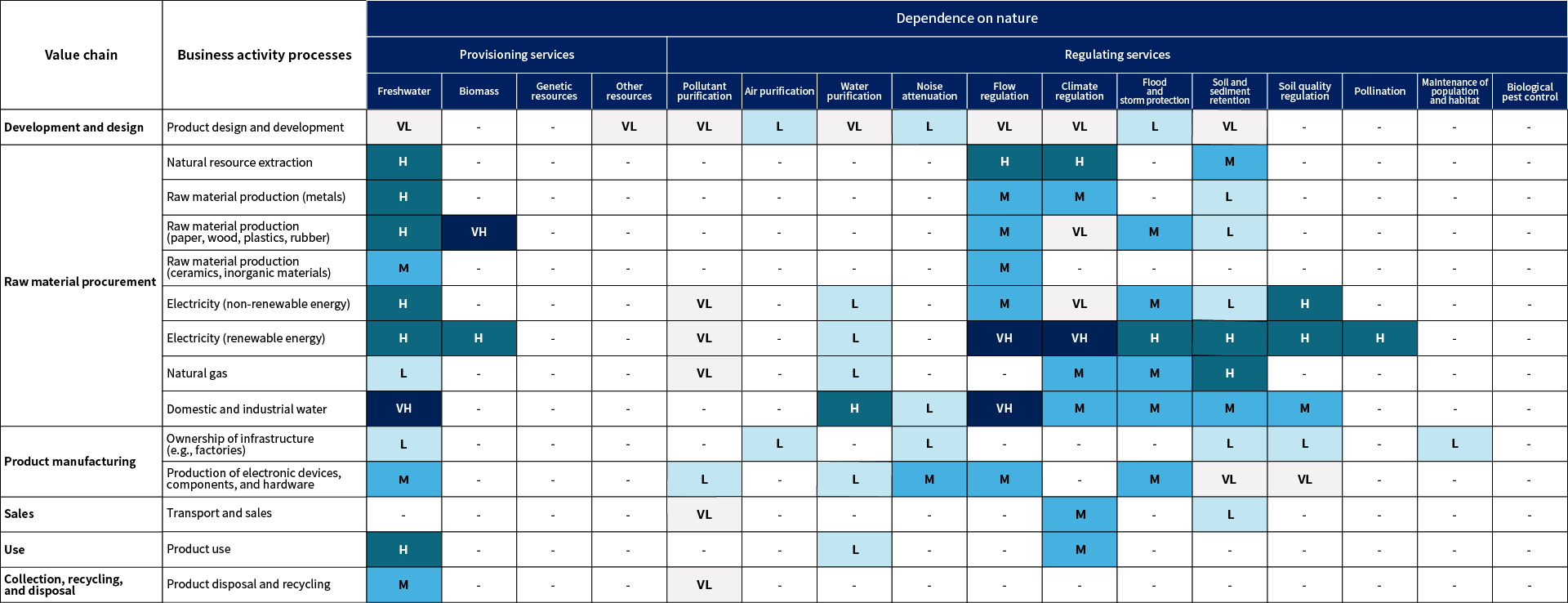
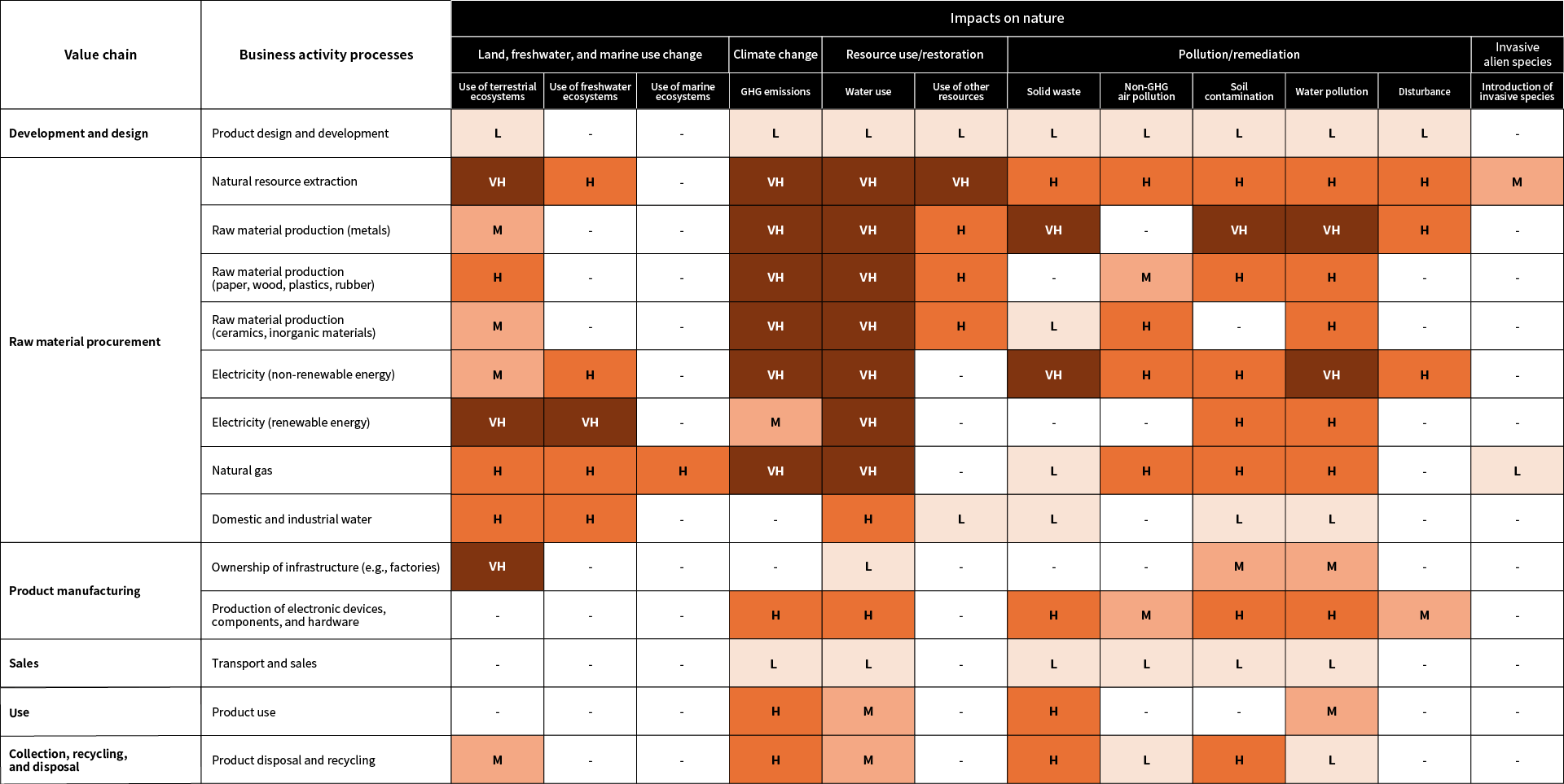
As a manufacturer in the electronic components sector, TDK shows a moderate dependency on water supply and regulation services in its direct operations. At the same time, there is a relatively high impact associated with water use and water pollution. Additionally, infrastructure such as factories is found to have a high impact due to land-use changes, which may adversely affect ecosystems depending on the location.
In the upstream value chain—particularly in resource extraction, raw material production, and electricity procurement—there is a tendency toward very high impacts related to water use and water pollution. The further upstream in the value chain, the more direct the interactions with nature, leading to greater impacts.
Risks and Opportunities
Risks and opportunities related to biodiversity are shown in Table 1.
For physical risks, there are potential risks related to the reduction of water resources and water pollution. Transition risks include the tightening of environmental regulations and the potential decline in external ESG evaluations. Countermeasures for these risks include strengthening water risk management and ensuring appropriate disclosure of water-related environmental data.
Opportunities include enhancing competitiveness through more advanced water use, expanding water-related business, and implementing activities such as afforestation to support the conservation, restoration, and creation of biodiversity in regions surrounding business sites.
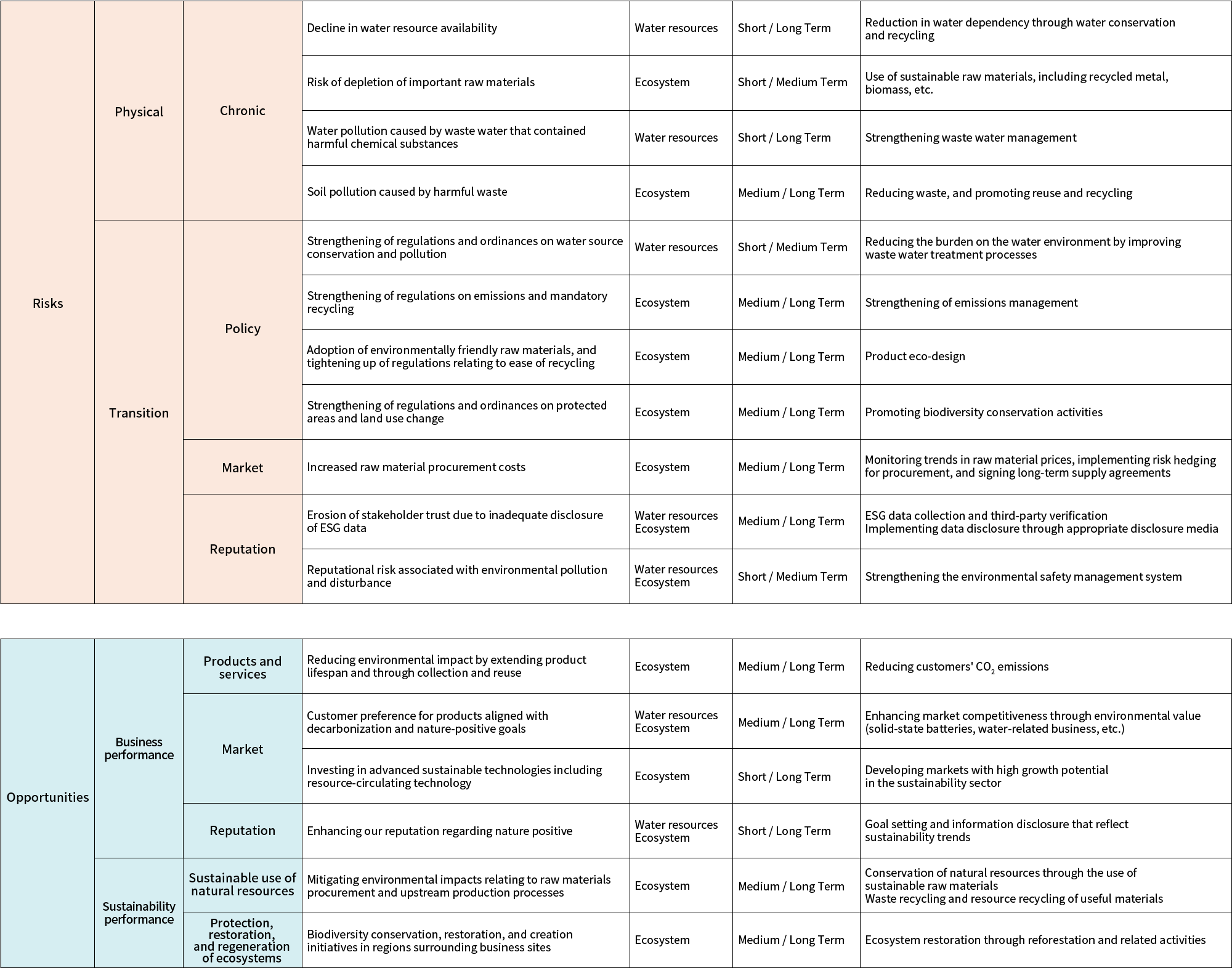
*Time axes: Short term refers to less than one year, medium term refers to one year to less than three years, and long term refers to 3 to 20 years.
Risk Management
Process for identifying and evaluating environmental dependencies, impacts, risks, and opportunities
The identification and evaluation of environmental dependencies, impacts, risks, and opportunities were conducted using the Relationship Map between the Electrical and Electronics Industry and Biodiversity, ver. 3.0. This tool is aligned with the LEAP approach recommended by the TNFD and is designed to extract material items related to "dependence and impact," "risks and opportunities," and "business actions" across the product lifecycle. In addition, ENCORE was used to support the evaluation of dependencies and impacts by industry sector.
Environmental Risk Management Process
At TDK, the Enterprise Risk Management (ERM) Committee, chaired by a corporate officer appointed by the President and CEO, carries out company-wide risk management activities. The ERM Committee identifies company-wide risks in accordance with the Risk Management Regulations. The long list of risks managed by the committee includes environment-related risks, which are treated as management targets if deemed significant through business risk analysis and evaluation.
The Safety & Environment Group, which leads the promotion of environmental activities across the TDK Group, is responsible for identifying environmental risks and opportunities, implementing countermeasures, and conducting monitoring.
Company-Wide Risk Management Process
Risk management framework
TDK implements Enterprise Risk Management (ERM) activities across the organization to appropriately manage and proactively address factors (risks) that may hinder the achievement of organizational goals-as part of its pursuit of sustainable growth. To formulate and implement ERM-related measures and strengthen risk management activities, TDK has established the ERM Committee, chaired by a corporate officer appointed by the President and CEO.
The ERM Committee conducts analysis and evaluation of company-wide risks, identifies those requiring countermeasures, and assigns a risk owner department, implementing department, and relevant departments for each risk to ensure appropriate management. The risk owner department is responsible for establishing minimum requirements and rules for the risk management framework, compiling risk assessment results and reporting. The implementing department is responsible for building the necessary systems for managing the assigned risks, planning and executing specific countermeasures, and monitoring progress.
The results of risk analysis and evaluation by the ERM Committee, along with the status of countermeasures for significant risks, are deliberated by the Executive Committee and reported to the Board of Directors.
Implementation of countermeasures
The ERM Committee communicates the countermeasures for each risk to the respective risk owner departments, implementing departments, and related departments. The implementing departments work closely with related departments to implement or instruct the necessary measures for the risks assigned to each TDK Group company. Based on instructions from the implementing departments, each TDK Group company carries out countermeasures for each risk accordingly.
Monitoring and improvement
The implementing departments regularly monitor the status of countermeasure implementation for the risks under their responsibility and verify whether those risks are being adequately controlled. The risk owner departments, in turn, verify whether the implementing departments are appropriately monitoring the implementation status.
Based on the monitoring results compiled by the implementing departments, the ERM Committee may issue recommendations for improvement to the risk owner departments or implementing departments if deemed necessary.
Metrics and Targets
Please refer to the TCFD/TNFD
Initiatives
Consideration of water resources (Global)
At TDK, water is an essential resource in manufacturing activities. Since we are impacted by such events as the exhaustion of water resources and flooding, the proper understanding and management of water risks are important issues for us. We monitor and manage regional water risks and the state of water use in production factories and endeavor to reduce water withdrawals in manufacturing processes.
The reduction of water withdrawal is one of the activities in the "TDK Environment, Health and Safety Action 2025," and we have set an annual reduction target of 1.5% improvement in the intensity of water withdrawal compared to the previous fiscal year. In FY March 2026, TDK’s total water withdrawal amounted to 17,261,000 m3, an increase of 11.2% from the previous fiscal year. The water withdrawal intensity improved by 2.1% compared with the previous fiscal year, and the target was achieved.
For more information on our approach to water resources, please see the link below.
Biodiversity Conservation & Restoration Programs (TDK Philippines Corporation)
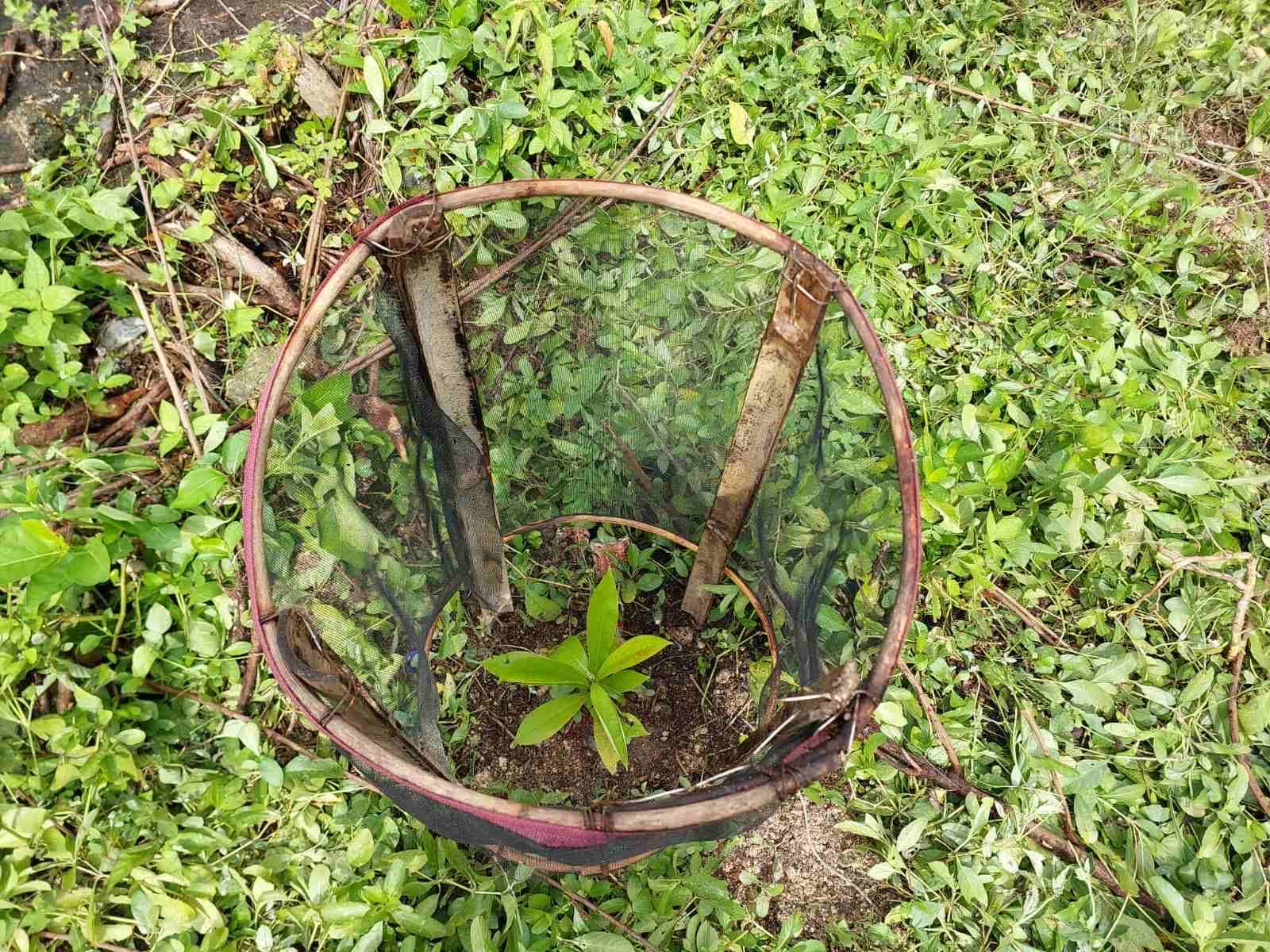
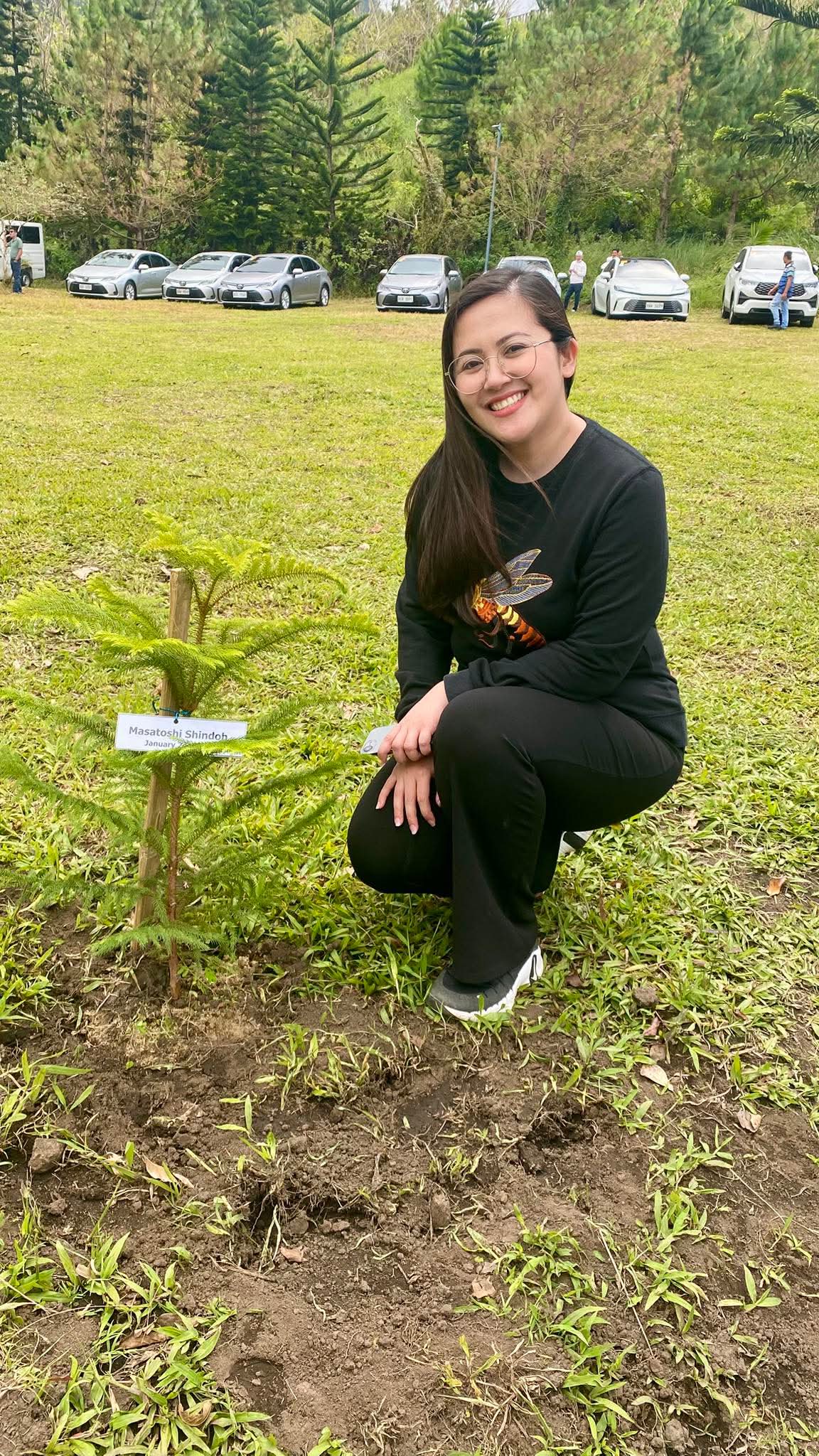
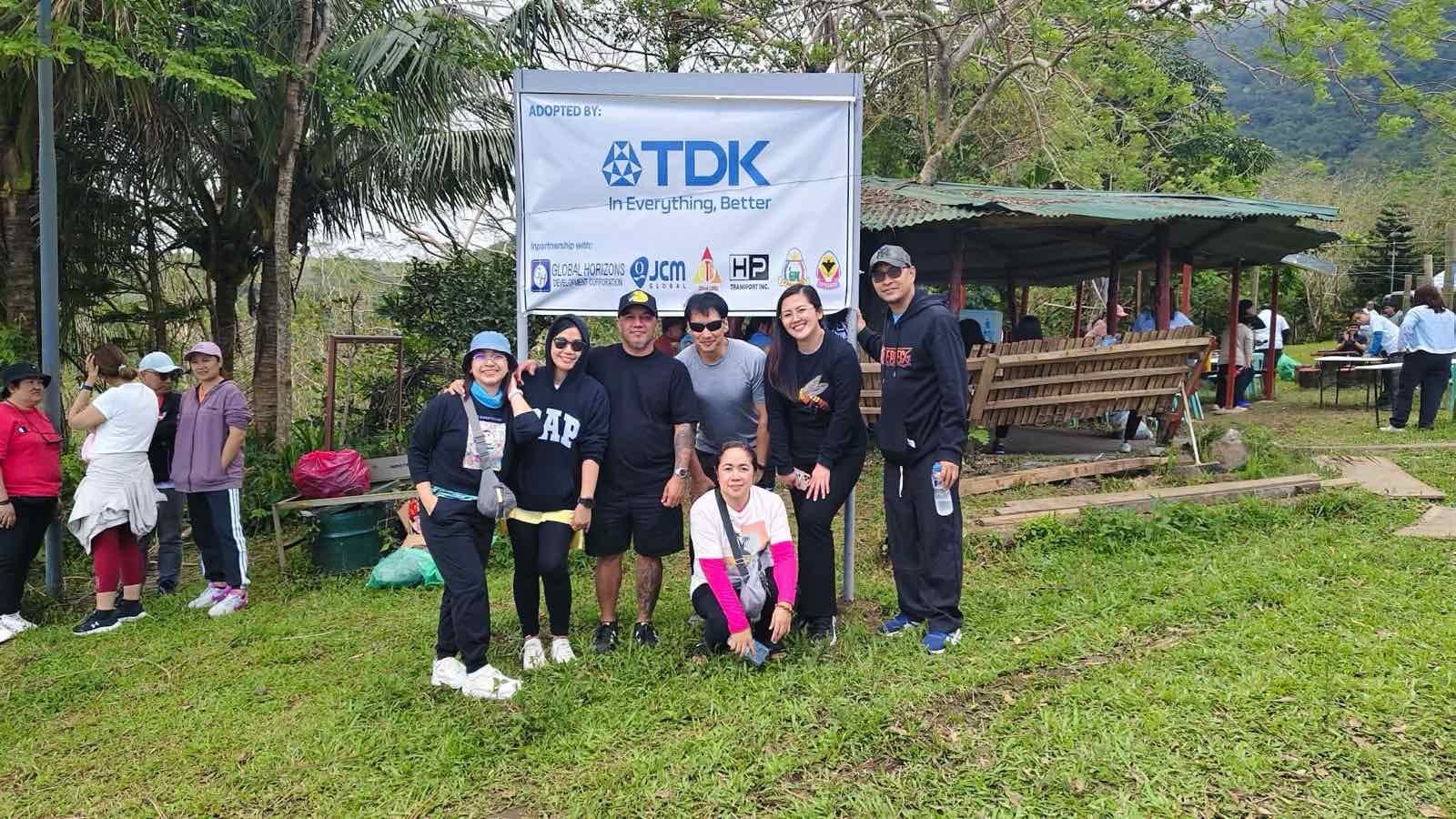
Since 2017, TDK Philippines Corporation (TPC) has spearheaded a forest adoption initiative at Tayak Hill in Laguna to promote biodiversity and long-term environmental stewardship. This program focuses on the planting of native species and a rigorous maintenance schedule, including four clean-up visits and two planting sessions annually to ensure high seedling survival rates.
To support both the environment and the local community, TPC has invested in site infrastructure at Tayak Hill, including the construction of shelter huts, the restoration of facilities, and the installation of steel benches and repurposed waste-segregation bins. These activities are carried out in close coordination with the Local Government Unit (LGU) and involve participation from contractors and neighboring companies, fostering a culture of collective stewardship and environmental awareness.
Since July 2025, TPC has further extended its environmental commitment by participating in a wetland rehabilitation project on Boracay Island, in collaboration with the Laguna Technopark Environmental Group (LTEG) and local government offices. This initiative focused on protecting critical wetland habitats that serve as natural water filters, carbon sinks, and flood regulators. By planting trees in these specialized areas, TPC helps preserve unique flora and fauna while balancing environmental sustainability with local development. These combined efforts across both forest and wetland landscapes reflect TPC’s dedicated approach to preserving the natural heritage and ecological balance of the Philippines.
Environmental Awareness and Biodiversity Conservation (TDK Thailand)
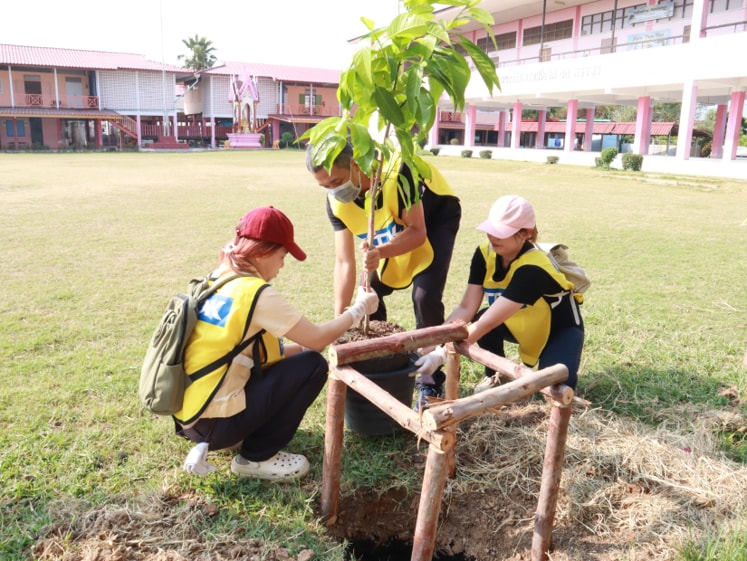
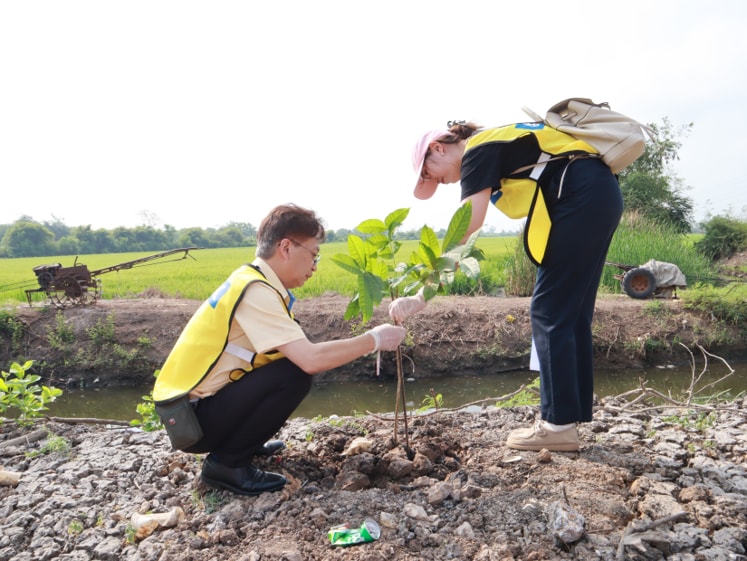
As part of the T130 Social Contribution Activities, TDK Thailand implemented an environmental initiative at Ban Lam Daeng School in Ayutthaya Province. The project focused on raising environmental awareness among the younger generation through practical conservation and waste management education. To support local biodiversity, TDK Thailand conducted the planting of the Magnolia sirindhorniae, a rare and endemic Thai tree species currently classified as endangered. By cultivating these trees in the school’s vegetable area and yard, the project aims to help protect a species that is endangered in the wild, increasing its population outside its natural habitat. Additionally, Cordia dichotoma—the auspicious tree of Ayutthaya Province—and mahogany trees were added to the school grounds to increase species diversity and improve the local landscape.
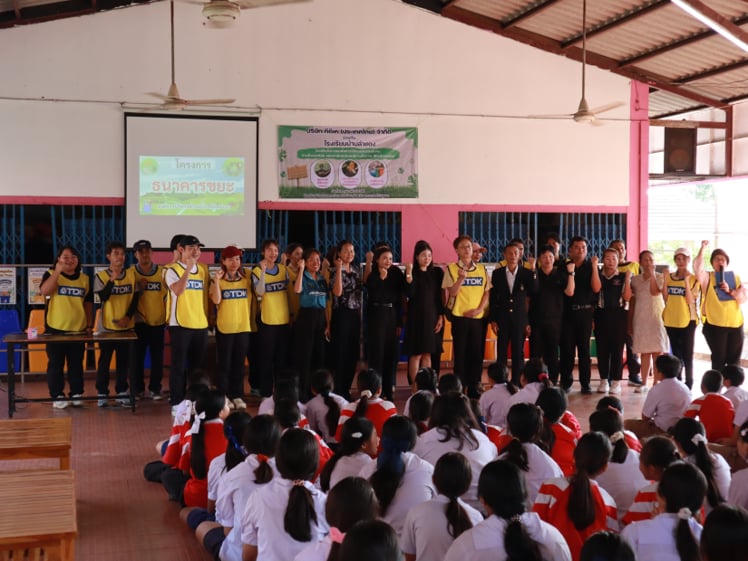
Complementing these conservation efforts, TDK Thailand organized a “Waste-separation campaign” for 150 students and teachers. This program provided hands-on training for correct waste segregation at the source to improve recycling rates and reduce landfill waste. To ensure the sustainability of these habits, TDK Thailand donated and installed a complete set of waste-segregation stations across the campus. These combined efforts reflect TDK Thailand’s commitment to preserving Thailand’s unique natural heritage and fostering environmental responsibility within the community.