
Sports Tech@TDK
Importance of Muscle Strength and Oxygen in Basketball Jump Performance

Basketball is an indoor sport invented in the United States in 1891. Along with baseball, American football, and ice hockey, it has gained overwhelming popularity as one of the four major professional sports in the United States. Many people worldwide play it, and the FIBA (International Basketball Federation) sponsors the World Basketball Championships every four years.
Basketball requires intense movement and excellent jumping ability and proper training that combines both anaerobics exercise needed to enable instantaneous force and aerobic exercises needed for endurance.

Key Takeaways
1. Basketball jumping relies on coordinated work of multiple muscle groups—quadriceps, hamstrings, calves, core—each contributing to force production, stability, and takeoff mechanics.
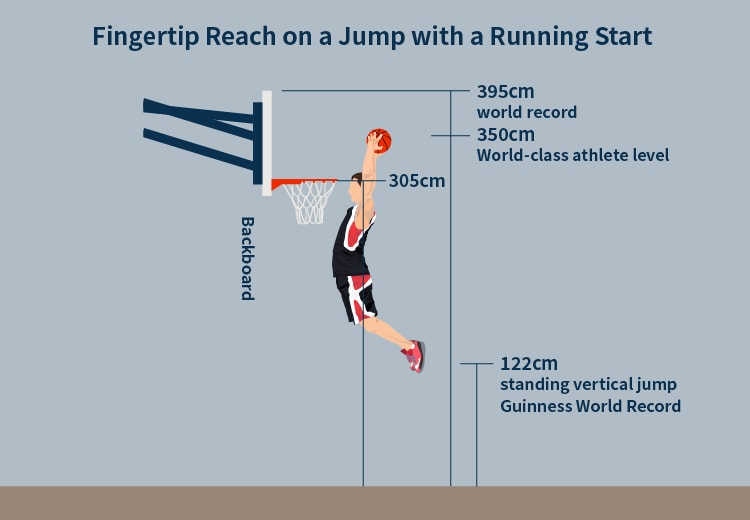
2. The diagram on page 1 illustrates fingertip reach during a running start, highlighting how vertical jump height combines both standing reach and explosive leg power.
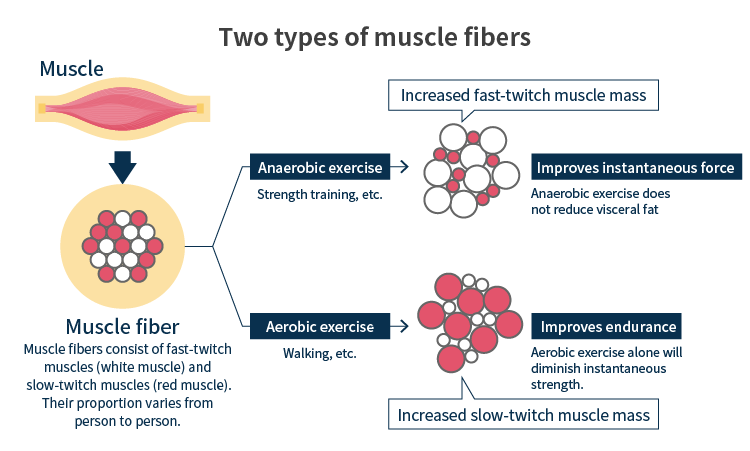
3. Muscle fiber types (slow-twitch vs fast-twitch), shown in the page 1 graphic, strongly influence jump performance: fast-twitch fibers generate rapid, powerful contractions essential for explosive movement.
4. Training strategies such as plyometrics, resistance training, and sprint work help increase fast-twitch utilization and improve overall jumping capability.
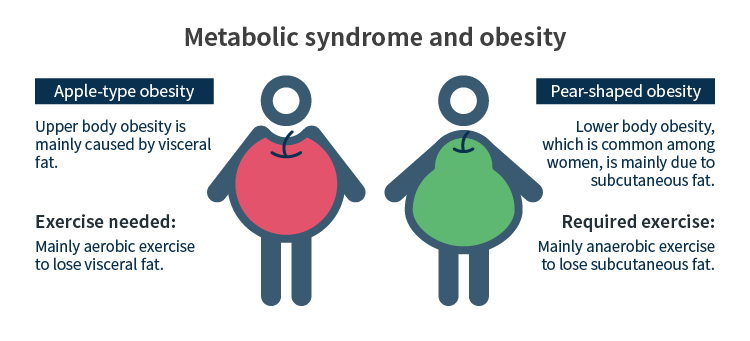
5. Page 2 introduces metabolic syndrome and obesity diagrams, showing how decreased physical activity alters muscle composition, reduces oxygen efficiency, and impacts athletic performance.
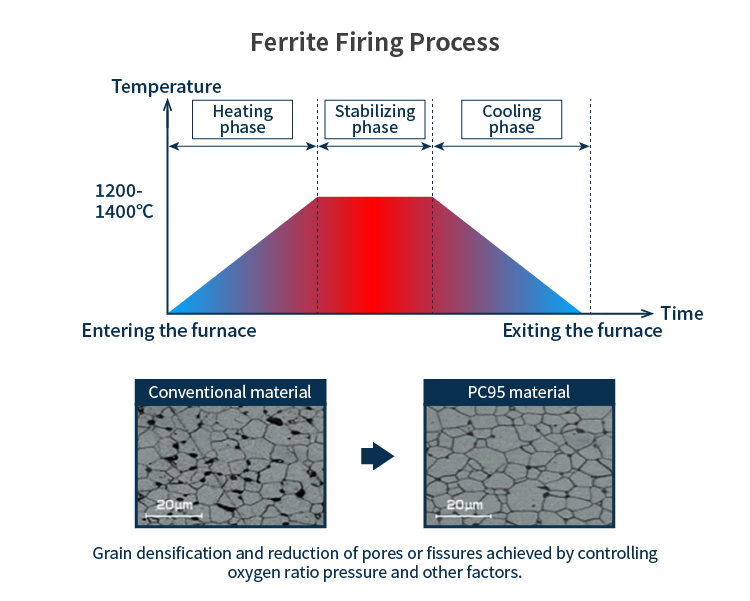
6. Oxygen supply plays a crucial role in Ferrite manufacturing as well—page 2 explains how controlled oxygen levels during ferrite firing affect grain distribution, material density, and magnetic performance in TDK’s PC95 material.
Types of Muscles in Basketball Jumping
Basketball players tend to be tall and slender rather than muscular. This is because the jumping power required to play basketball is drawn from not only the leg muscles but also the muscles in the upper body. In other words, jumping power is generated by using the whole body like a spring. If you try for yourself, you’ll find that you cannot jump as high as you expect when using only your legs.
Vertical jump ability peaks around the age of 20 and gradually declines. The height of the hoop on a basketball post is 305 cm, and depending on the height of the player, a jump of at least 1m with a running start is required to perform a spectacular and dynamic dunk. The Guinness World Record for a stationary vertical jump is 122 cm, but some athletes have the astonishing ability to reach over the top of the backboard (395 cm) with a running start.
Muscle power is determined by cross-sectional area and length, though this cross-sectional area can be increased with training. However, there are two types of muscles: fast-twitch muscles (white muscles) and slow-twitch muscles (red muscle). Fast-twitch muscles provide instantaneous force and jumping power, but lack stamina and are easily fatigued. Slow-twitch muscles, on the other hand, are less powerful but offer more endurance. Thoroughbred horses have mostly fast-twitch muscles, while the Arabian and other long-distance runners have well-developed slow-twitch muscles. This is also the difference between the muscles of whitefish (bottom fish such as flatfish and flounder that live on the sea floor) and redfish (migratory fish such as bonito and tuna). The optimum balance between fast and slow muscle differs from sport to sport, and therefore, strength training should consider taking height and physicality into account.
This diversity explains what muscles does basketball work, since performance depends on coordinated use of many groups. The mix of lower-body and upper-body basketball muscles is what allows players to generate full-body spring force, shaping the typical athletic basketball bodies seen at elite levels. Fast-twitch fibers act as primary jump muscle engines, while slow-twitch endurance resembles the balance seen in Arabian muscles. Together they create the explosive potential expected from a high-performing muscle basketball player.
Training and Exercises for Increasing Muscle Types
When someone attempts to improve their fitness, suddenly engaging in strenuous exercise can damage the muscles. In severe cases, this can lead to muscle separation or even a torn Achilles tendon. Walking is an easy way for people who are inactive to get started. Walking is an exercise that uses slow-twitch muscles that improve endurance and is a type of aerobic exercise that influences the body's metabolism. Aerobics is based on this concept. For this reason, aerobic exercise such as walking has traditionally been recommended for middle-aged and older adults experiencing declining physical fitness. However, aerobic exercise alone won’t strengthen fast-twitch muscles, which are needed to produce instantaneous force, and muscle mass also ends up reduced. Because of this, anaerobic exercise training to strengthen fast-twitch muscles has been recommended to middle-aged and older adults in recent years. This is because strengthening fast-twitch muscles improves instantaneous force and agility of movement, and prevents accidents such as tripping and falling.
In basketball, this balance directly affects basketball muscular endurance, since players depend on both slow-twitch and fast-twitch systems throughout a game. Developing muscular endurance in basketball requires combining conditioning with strength work. Longer sequences of running, cutting, and defensive stance contribute to overall stamina in basketball, while repeated sprints and transitions build true basketball stamina. For many athletes, walking and steady aerobic work also serve as a simple aerobic exercise for basketball foundation.
With the overall rise in health consciousness, the term "metabolic syndrome" has become very well known. It refers to a condition in which various lifestyle-related diseases (diabetes, hypertension, hyperlipidemia, arteriosclerosis, etc.) are caused by the accumulation of visceral fat. The primary causes being overeating and lack of exercise. If your waist circumference is 85 cm or more for men or 90 cm or more for women, you may likely to be obese. In order to reduce visceral fat while improving physical fitness, a combination of anaerobic and aerobic exercise is required.
Oxygen in Determining Ferrite Properties
One of TDK's core technologies is materials technology, and ferrite, the starting point of TDK's founding, has become an essential material in electronics in today's electronics society. The material is used in transformer cores, antenna cores, multilayer inductor products, and EMC components. Ferrite is a ferromagnetic ceramic produced by molding and sintering raw powder consisting mainly of iron oxide. Advanced sintering control technology is required because the properties of ferrite vary greatly depending on the sintering temperature and atmosphere such as the type of gas surrounding the sintered material, as well as the trace components added to the raw material.The reaction produced by firing ferrite is achieved by gradually raising the temperature during the heating phase, maintaining a constant temperature for several hours to allow crystal grains to grow during the stabilizing phase and then gradually lowering the temperature during the cooling and slow cooling phases. Ferrite is said to be a ferromagnetic material with unlimited possibilities because a wide variety of ferrite can be obtained by controlling the firing conditions. The magnetic properties of ferrite are greatly influenced by the oxygen content, which depends on the concentration of oxygen during firing. However, the appropriate oxygen concentration varies depending on the temperature, so the key point is to control the temperature and oxygen concentration during the firing.With the increasing demands for energy saving and miniaturization of electronic devices, power ferrites that are used as cores for power transformers and other things are also required to offer lower loss in efficiency in wide temperature bandwidth and smaller size. TDK has developed a series of revolutionary power ferrites, including the PC95 material. In addition to material design, we have also accumulated expertise over the precision control technology involved in the sintering process over the years, which is a strength TDK has that is unrivaled by any other company.
In sport science, oxygen availability also affects performance, often referenced when discussing oxygen muscle efficiency. While unrelated to ferrite processing, both topics highlight how precise control whether of oxygen levels or physical conditioning supports optimal results. For young athletes exploring why is basketball important, understanding how both technology and biology depend on controlled variables helps link athletic improvement to innovation. This broader view also touches on basketball importance as part of health, performance, and engineering education.
Power ferrite PC95 material

Power ferrites that handle large amounts of power, such as transformers for switching power supplies, strongly demand improved energy conversion efficiency. TDK's power ferrite PC95 material has been realized by pursuing the optimum characteristics of low core loss in a wide temperature band to the utmost limit. The contrary has been realized by pursuing optimal characteristics to the utmost limit while striking a balance between the two. It is an era-defining material that meets the ever-increasing needs for energy conservation, miniaturization, and weight reduction.
In sports performance, developing physical force follows similar principles: balance and efficiency matter. That is why coaches emphasize muscular strength importance when discussing foundational power to play basketball, linking athletic mechanics with the same pursuit of optimized output seen in modern engineering.
Conclusion
Basketball jump performance depends on both muscular power and physiological efficiency. The page 1 charts emphasize how explosive movement arises from the combination of fast-twitch muscle fibers, neuromuscular coordination, and targeted strength conditioning. Training programs that blend plyometrics, weightlifting, and aerobic conditioning enhance both the structural and metabolic qualities required for higher, faster, and more consistent jumps.
Interestingly, the article draws a technical parallel between oxygen’s role in human performance and its role in material science. The ferrite firing process shown on page 2 demonstrates how controlled oxygen concentrations influence crystal formation and magnetic properties in TDK’s PC95 ferrite. In both athletes and materials, oxygen availability determines energy transfer, efficiency, and durability—highlighting how principles of biology and engineering often intersect.
FAQ
Q: Which muscles contribute most to a basketball vertical jump?
A: The quadriceps, glutes, hamstrings, and calves produce the majority of takeoff force, while the core stabilizes and transfers energy throughout the jump.
Q: Why are fast-twitch muscle fibers important?
A: Fast-twitch fibers generate quick, powerful contractions essential for explosive actions like jumping, sprinting, and sudden directional changes.
Q: Can training increase fast-twitch fiber performance?
A: Yes. Plyometrics, heavy resistance training, sprint intervals, and maximal-effort drills improve recruitment, power output, and neuromuscular efficiency.
Q: How does lack of exercise affect muscle composition?
A: Sedentary behavior increases slow, inefficient fibers and reduces metabolic capacity—illustrated by the metabolic syndrome figure on page 2—negatively impacting athletic output.
Q: What does ferrite manufacturing have to do with oxygen?
A: During firing, precise oxygen control determines ferrite density and magnetic characteristics. Too much or too little oxygen disrupts grain formation and weakens material performance.
Q: What is PC95 ferrite used for?
A: PC95 is a high-performance ferrite material for power applications, offering low loss and high reliability in transformers, inductors, and power electronics.
TDK is a comprehensive electronic components manufacturer leading the world in magnetic technology
Share Share this article
RecommendedPeople who viewed this article also viewed here

Sports Tech@TDK
The relationship between endurance and the diet of marathon runners

Sports Tech@TDK
Figure skating Jumps -Dynamic jumps and spins in figure skating are the star of winter sports-
Bridging the Past, Present, and Future of Tech
Quantum Computing Explained: How It Works, Real-World Applications, and Industry Impact
PickUp Contents